

Table of Contents
ToggleHome improvement examples range from simple weekend projects to full-scale renovations. Homeowners often wonder where to start when they want to update their living space. The good news? Many upgrades don’t require a massive budget or professional contractors.
This guide covers practical home improvement examples that boost property value, increase comfort, and refresh tired spaces. Whether someone wants to modernize a dated kitchen, create a relaxing outdoor retreat, or cut energy bills, there’s a project here that fits. Each section breaks down specific improvements by area, so readers can prioritize based on their goals and budget.
Key Takeaways
- Home improvement examples range from budget-friendly weekend projects like cabinet refacing to larger investments like outdoor kitchens and solar panels.
- Kitchen and bathroom upgrades offer the highest return on investment, with cabinet refacing costing 30-50% less than full replacement.
- Flooring replacement, built-in shelving, and fireplace updates are popular living room home improvement examples that boost comfort and property value.
- Outdoor projects like front door replacement and landscaping upgrades significantly enhance curb appeal and create strong first impressions for resale.
- Energy efficiency improvements—including attic insulation, smart thermostats, and HVAC upgrades—reduce utility bills and often qualify for tax credits or rebates.
- Many impactful home improvements don’t require professional contractors, making them accessible for homeowners at various budget levels.
Kitchen and Bathroom Upgrades
Kitchens and bathrooms offer some of the best home improvement examples for return on investment. Real estate experts consistently rank these rooms as top priorities for buyers. Even minor updates can make a significant difference.
Kitchen Improvements
Cabinet refacing gives kitchens a fresh look without the cost of full replacement. Homeowners can paint existing cabinets, swap out hardware, or add new doors to transform the space. This approach typically costs 30-50% less than installing new cabinetry.
Countertop upgrades provide immediate visual impact. Quartz and granite remain popular choices, but butcher block and concrete offer budget-friendly alternatives with modern appeal. A new countertop paired with an updated backsplash creates a cohesive, updated look.
Appliance upgrades round out kitchen home improvement examples. Stainless steel appliances still dominate, though matte black and custom panel-ready options are gaining ground. Energy-efficient models reduce utility costs while adding contemporary style.
Bathroom Updates
Vanity replacement ranks among the most effective bathroom home improvement examples. A new vanity with modern fixtures instantly updates the room. Floating vanities create visual space in smaller bathrooms.
Shower and tub upgrades range from simple fixture swaps to complete remodels. Walk-in showers with frameless glass doors appeal to many homeowners. For those on a budget, reglazing an existing tub costs far less than replacement.
Lighting and ventilation improvements often get overlooked. LED vanity lights and quality exhaust fans prevent moisture damage while improving daily function. These small changes cost little but deliver lasting benefits.
Living Space and Bedroom Enhancements
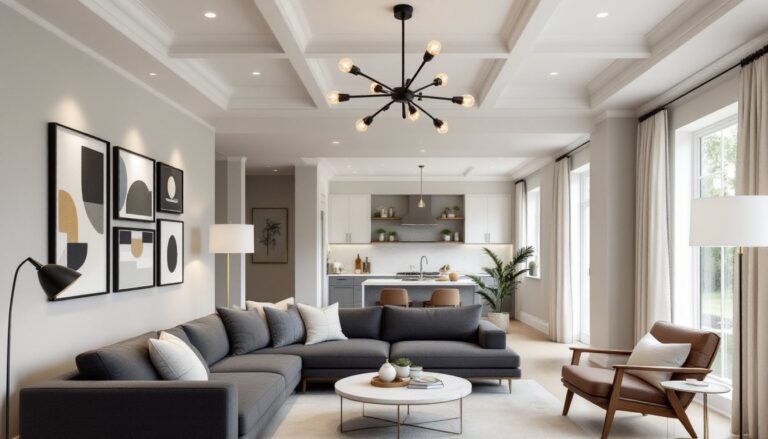
Living rooms and bedrooms benefit from home improvement examples that increase comfort and functionality. These spaces serve daily life, so upgrades here directly affect quality of living.
Living Room Projects
Flooring replacement transforms living areas completely. Hardwood floors remain a top choice for their durability and timeless appeal. Luxury vinyl plank offers a waterproof alternative that mimics wood at lower cost. Carpet-to-hardwood conversions consistently rank among popular home improvement examples.
Built-in shelving and storage add both function and character. Custom built-ins around fireplaces or entertainment centers create focal points. Open shelving displays personal items while closed cabinets hide clutter.
Fireplace updates bring dated living rooms into the present. Stone or tile surrounds replace brass and brick. Electric or gas inserts convert wood-burning fireplaces to cleaner, more efficient options. These home improvement examples add ambiance without the maintenance hassles.
Bedroom Improvements
Closet systems maximize storage in bedrooms. Wire shelving, custom wood systems, or modular organizers accommodate different budgets. A well-organized closet feels like bonus square footage.
Window treatments affect both aesthetics and energy efficiency. Cellular shades insulate against heat and cold. Blackout curtains improve sleep quality. Layered treatments, combining shades with curtains, offer flexibility and style.
Accent walls create visual interest without major renovation. Paint, wallpaper, wood planking, or textured panels provide options for every taste. These home improvement examples require minimal investment but deliver noticeable results.
Outdoor and Curb Appeal Projects
Outdoor home improvement examples boost curb appeal and expand usable living space. First impressions matter for resale, and outdoor improvements often yield strong returns.
Front Yard and Entry
Front door replacement ranks high among home improvement examples for curb appeal. A bold-colored door with new hardware grabs attention. Steel and fiberglass doors offer security and energy efficiency advantages over wood.
Landscaping upgrades range from simple to extensive. Fresh mulch, trimmed hedges, and seasonal flowers cost little but improve appearance immediately. Larger projects like new walkways, retaining walls, or mature tree planting create lasting value.
Exterior lighting enhances safety and aesthetics. Path lights guide visitors while uplighting showcases architectural features. Solar-powered options reduce installation complexity and ongoing costs.
Backyard and Outdoor Living
Deck and patio construction extends living space outdoors. Pressure-treated wood decks cost less than composite, though composite requires less maintenance over time. Concrete patios offer durability, while pavers provide design flexibility.
Outdoor kitchens and fire features rank among premium home improvement examples. Built-in grills, refrigerators, and prep areas create entertainment hubs. Fire pits and fireplaces extend outdoor season use into cooler months.
Fencing and privacy solutions define outdoor spaces. Wood, vinyl, and composite fencing serve different needs and budgets. Strategic plantings or lattice screens provide privacy without the permanence of solid fencing.
Energy Efficiency Improvements
Energy-focused home improvement examples reduce utility bills and increase comfort. Many of these projects also qualify for tax credits or rebates, improving their financial appeal.
Insulation and Sealing
Attic insulation upgrades offer excellent return on investment. Many older homes lack adequate insulation depth. Adding blown-in or batt insulation reduces heating and cooling costs significantly. This home improvement example typically pays for itself within a few years.
Air sealing addresses gaps around windows, doors, and penetrations. Weatherstripping, caulking, and spray foam stop drafts and prevent energy waste. Professional energy audits identify problem areas for targeted fixes.
Window replacement improves efficiency when older single-pane windows exist. Double or triple-pane windows with low-E coatings block heat transfer. But, proper installation matters as much as window quality.
Systems and Technology
HVAC upgrades represent significant home improvement examples with long-term payoffs. High-efficiency furnaces and air conditioners use less energy while providing better comfort. Heat pumps offer both heating and cooling from a single system.
Smart thermostats learn household patterns and adjust temperatures automatically. These devices reduce energy use by 10-15% on average. They also provide remote control via smartphone apps.
Solar panel installation has become more accessible as costs have dropped. Federal tax credits reduce upfront investment. Net metering programs allow homeowners to sell excess power back to utilities. This home improvement example appeals to those planning long-term ownership.