
Table of Contents
ToggleModern living rooms demand smarter furniture choices. Square footage is shrinking, yet homeowners still want layered seating that looks intentional, not like they crammed a dorm room’s worth of furniture into 200 square feet. Small accent chairs solve this problem by delivering style, function, and flexibility without hogging floor space. They tuck into corners, flank fireplaces, and create cozy reading nooks where a full-size armchair would overwhelm. Unlike oversized recliners or bulky sectionals, these compact pieces let a room breathe while adding visual interest and extra seating when guests arrive.
Key Takeaways
- Small accent chairs, typically 24 to 28 inches wide, maximize seating flexibility in modern living rooms without consuming valuable floor space or blocking sightlines.
- Armless and slipper chairs offer the most compact option for tight quarters, while compact club and barrel chairs provide enveloping comfort with arms and deeper seats for sustained sitting.
- Measure your space with painter’s tape before purchasing, ensuring seat heights match your sofa within 2 inches and leaving 24 to 36 inches of passage space around furniture.
- Strategic placement in corners, beside fireplaces, between windows, or in conversation groupings transforms small accent chairs into functional design anchors without requiring a layout overhaul.
- Choose performance fabrics with double-rub counts above 25,000 for durability, select bold colors or patterns confidently since accent chairs’ smaller scale prevents visual overwhelm, and verify kiln-dried hardwood frames for longevity.
- Test fabric samples in your home’s actual lighting conditions at different times of day, as showroom lights distort colors significantly from how they’ll appear in your living room.
Why Small Accent Chairs Are Perfect for Modern Living Rooms
Small accent chairs, typically 24 to 28 inches wide, fit where standard seating can’t. In open-concept layouts, they define zones without blocking sightlines. In traditional rooms, they balance heavy sofas and add a second seating option that doesn’t require rearranging the entire floor plan.
They’re also easier to move. A compact chair weighing 20 to 30 pounds can be shifted for vacuuming, repositioned for conversation groups, or angled toward a window when natural light calls. Compare that to a 36-inch-wide club chair that anchors itself permanently.
Another practical advantage: small accent chairs work in multifunctional spaces. A living room that doubles as a home office benefits from a chair that serves as task seating by day and casual seating by night. Armless designs slide under desks or tuck beside bookshelves when not in use.
Finally, they let homeowners experiment with bolder choices. Because accent chairs occupy less visual real estate, a jewel-toned velvet or a geometric print feels deliberate rather than overwhelming. It’s a lower-risk way to introduce personality without committing an entire sofa to a trend that may age poorly.
Top Styles of Small Accent Chairs to Consider
Not all compact chairs share the same proportions or aesthetic. The right style depends on the room’s architecture, existing furniture, and how the chair will be used.
Armless Chairs and Slipper Chairs
Armless accent chairs measure as narrow as 22 inches wide, making them the slimmest option for tight quarters. They slip between furniture pieces, fit under console tables, and pair well in matching sets flanking an entryway or fireplace. The lack of arms keeps the profile clean and uncluttered.
Slipper chairs take this concept further with a low seat height, typically 16 to 18 inches from the floor, and an upright back. Originally designed for bedroom dressing areas, they’ve migrated to living rooms where their streamlined silhouette complements mid-century and contemporary interiors. The low seat works well for shorter users or spaces where a tall chair back would block a view or architectural detail.
One trade-off: armless chairs offer less lateral support. They’re ideal for perching during conversation or pulling up to a coffee table, but not the best choice for extended lounging with a book.
Compact Club Chairs and Barrel Chairs
Compact club chairs retain the cozy, enveloping feel of their larger counterparts but trim width to 26 to 30 inches. They include arms, usually rolled or track-style, and deeper seats (around 20 to 22 inches) for comfortable, sustained sitting. This style suits traditional and transitional rooms where a slightly more substantial silhouette feels appropriate.
Barrel chairs feature curved backs that wrap around the sitter, creating a nook-like effect. Their rounded profile softens angular furniture and pairs especially well with geometric coffee tables or straight-lined sofas. Width typically falls between 28 and 32 inches, so they’re on the larger end of “small” but still more compact than standard lounge chairs.
Both styles benefit from swivel bases in conversation-heavy layouts. A 360-degree rotation lets users engage with multiple parts of the room without dragging the chair, a useful feature in open-concept spaces where seating faces more than one direction.
How to Choose the Right Size Accent Chair for Your Space
Measure before shopping. Grab a tape measure and mark the floor with painter’s tape to outline the chair’s footprint, including clearance for walking. A general rule: leave 24 to 36 inches of passage space around furniture to avoid a cramped feel.
Consider the chair’s height in relation to other seating. Seat heights for accent chairs range from 16 to 20 inches. Match or come within 2 inches of the sofa’s seat height for visual cohesion. Chairs that sit too low feel like afterthoughts: chairs that tower over a low-profile sectional disrupt the room’s balance.
Depth matters as much as width. A chair with a shallow seat depth of 18 to 20 inches accommodates smaller frames and keeps the overall footprint tight. Deeper seats (22+ inches) invite longer sitting sessions but push the chair’s back farther into the room. If space is tight, prioritize shallower options.
Account for the chair’s back height when placing it near windows or under sloped ceilings. A high wingback might block a view or feel visually heavy in a room with low ceilings (under 8 feet). Low-back designs, around 30 to 34 inches tall, maintain openness.
Finally, test proportions with cardboard or a folding chair before committing. Arrange a stand-in piece in the intended spot and live with it for a few days. If it constantly gets bumped or blocks a pathway, go smaller or reconsider placement.
Best Placement Ideas for Small Accent Chairs
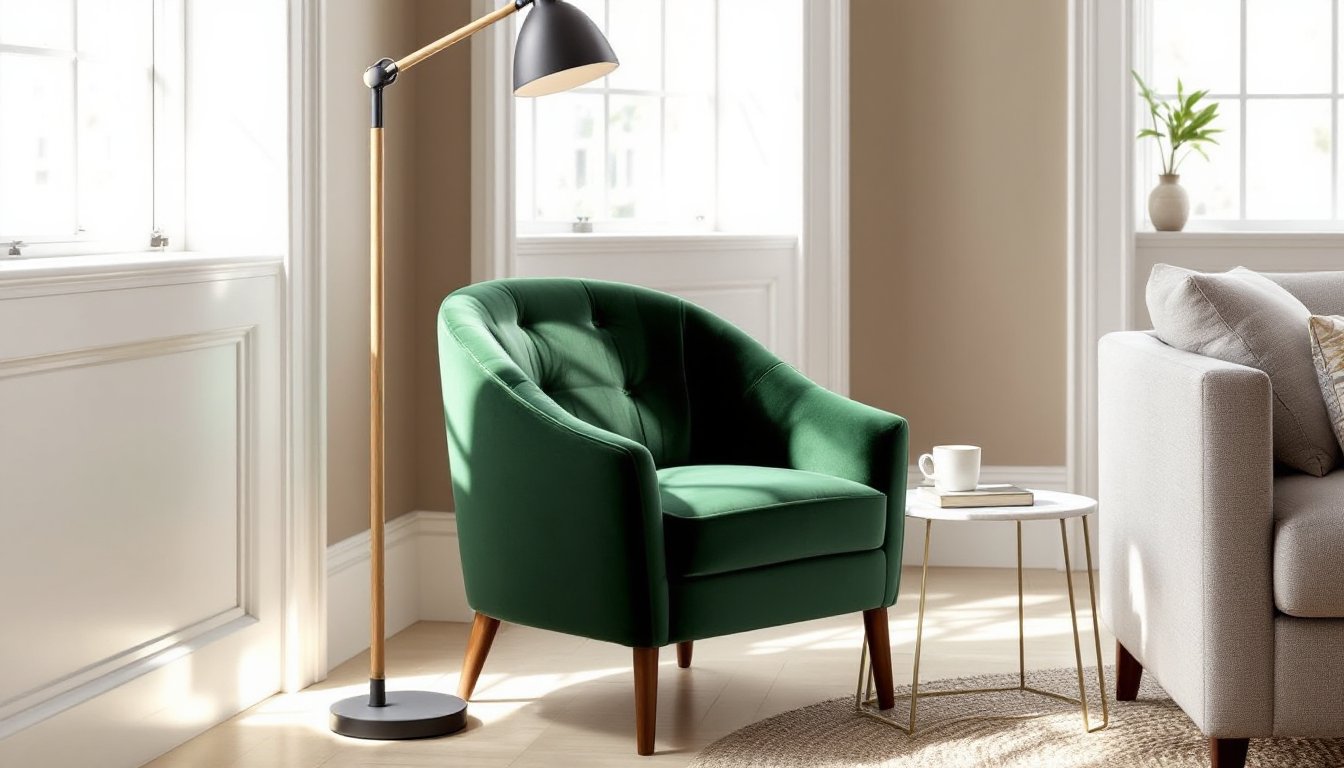
Corners are the obvious choice, but they’re underutilized. Angling a small chair across a corner softens hard edges and creates a natural reading nook. Add a floor lamp with an adjustable arm and a side table, and it becomes a functional zone without requiring square footage from the main seating area.
Flanking a fireplace or media console establishes symmetry, a classic approach that works in both traditional and modern rooms. Keep chairs 12 to 18 inches from the hearth or TV stand to allow clearance for doors, vents, or storage access.
In open-concept layouts, use a small accent chair to define a conversational grouping. Position it perpendicular to the sofa, facing inward, with a coffee table anchoring the arrangement. This setup breaks up long sightlines and signals distinct areas without walls.
Between two windows is another smart move, especially if the windows are narrow or oddly spaced. A slim armless chair fits where a console table might feel too static, and it adds seating without blocking natural light.
For multipurpose rooms, park a compact chair near a bookshelf or desk. It becomes overflow seating when needed and task seating when working. Choose a style with a firm seat and supportive back if it’ll pull double duty, plush lounge chairs don’t hold up for extended desk work.
Avoid placing small chairs in high-traffic pathways. They’re lightweight and easily bumped, which feels annoying rather than flexible. If the only open spot is in a main walkway, the room likely needs a layout reset, not another chair.
Material and Color Selection Tips for Maximum Impact
Upholstery fabric affects both durability and visual weight. Performance fabrics, treated polyester blends or tightly woven synthetics, resist stains and hold up to daily use. They’re worth the upcharge in homes with kids, pets, or high traffic. Look for double-rub counts above 25,000 (the Wyzenbeek test standard) for seating that sees regular use.
Velvet adds richness and works well for accent chairs because the smaller scale keeps it from feeling overwhelming. It catches light, which can make a compact chair feel more substantial. Pair jewel tones, emerald, sapphire, burnt orange, with neutral sofas for intentional contrast.
Leather and faux leather age differently. Genuine leather develops a patina: faux leather eventually cracks, especially in sunny spots. If choosing faux, expect a lifespan of 3 to 5 years with regular use. Leather works best in cooler climates, it’s cold to sit on in winter and sticky in summer humidity without climate control.
Frame construction matters more in small chairs than people assume. Because they’re easier to move, they experience more stress from repositioning. Look for kiln-dried hardwood frames, oak, maple, or beech, joined with corner blocks and glue. Avoid chairs with stapled frames or unfinished plywood unless they’re temporary or budget placeholders.
Color strategy depends on the chair’s role. If it’s the room’s focal point, go bold. If it’s part of a layered seating arrangement, consider how it relates to the sofa. Analogous colors (neighbors on the color wheel, like blue and green) create harmony. Complementary colors (opposites, like blue and orange) add energy but require careful balancing with neutral elements.
Legs and bases subtly influence perceived size. Exposed legs, especially tapered or angled styles, create negative space beneath the chair, making it feel lighter. Skirted bases or upholstered-to-the-floor designs look heavier and suit formal or traditional rooms. Metal legs (brass, black steel, chrome) modernize classic silhouettes and are easier to clean around than wood.
Finally, test samples in your actual lighting. Fabric and paint colors shift dramatically between showroom fluorescents and home lighting. Order swatches, pin them to the wall near the chair’s intended spot, and check them in morning, afternoon, and evening light before committing.