

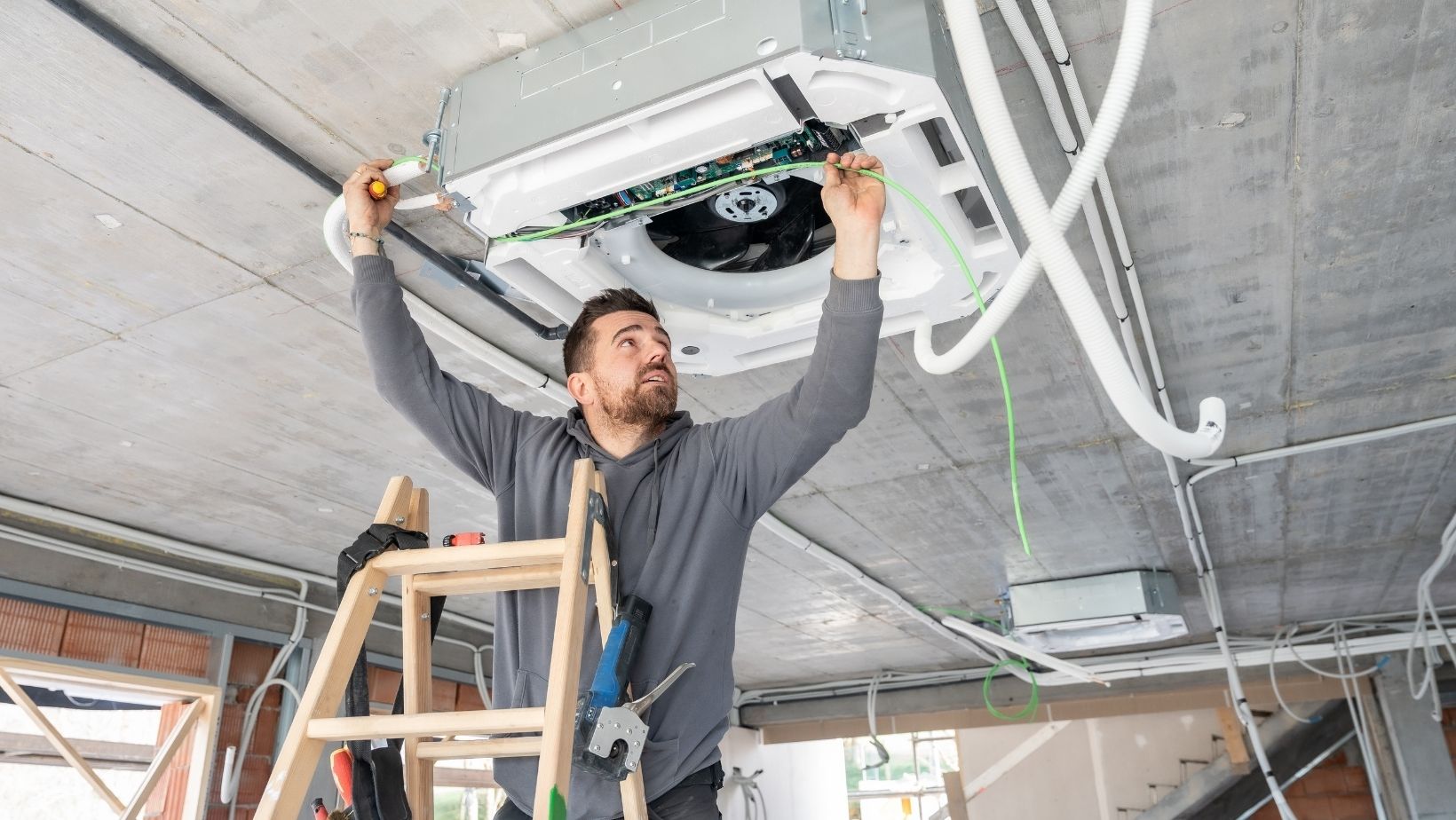
Many HVAC problems look mechanical at first glance. A system runs too long, certain rooms stay uncomfortable, energy bills rise, and the immediate assumption is that the equipment is failing. In reality, the unit often reacts to the surrounding building. Poor insulation can force heating and cooling systems to work harder, cycle longer, and deliver uneven results even when the equipment itself is operating close to normal. That is why experienced contractors do not stop at thermostats, filters, and refrigerant levels. They also look at how well the structure holds conditioned air and resists heat transfer from the outdoors.
Heat Gain Changes Everything
- The Building Affects System Performance
HVAC equipment does not operate in isolation. It operates within an envelope comprising walls, ceilings, windows, attic spaces, duct runs, and insulation layers. When that envelope is weak, the system has to compensate. Conditioned air escapes, outdoor heat enters too easily, and indoor temperatures drift faster than they should. The result is often mistaken for an equipment defect when it is actually a building-performance issue.
Contractors evaluate insulation during diagnosis because it changes the meaning of everything else they observe. Long runtimes, frequent cycling, poor room-by-room balance, and high utility costs can all point to a thermal problem rather than a failing component. Without checking insulation levels and condition, a diagnosis can become incomplete, leading to repairs that treat symptoms while the larger cause remains in place.
- Why Envelope Loss Gets Missed
Insulation problems are easy to overlook because they do not announce themselves the way a broken motor or failed capacitor does. There is no dramatic shutdown and no obvious alarm. Instead, the building quietly loses thermal control. Attics overheat, wall cavities underperform, and conditioned air becomes harder to retain. That slow loss creates ongoing stress on the HVAC system, which then appears to be the underperforming part.
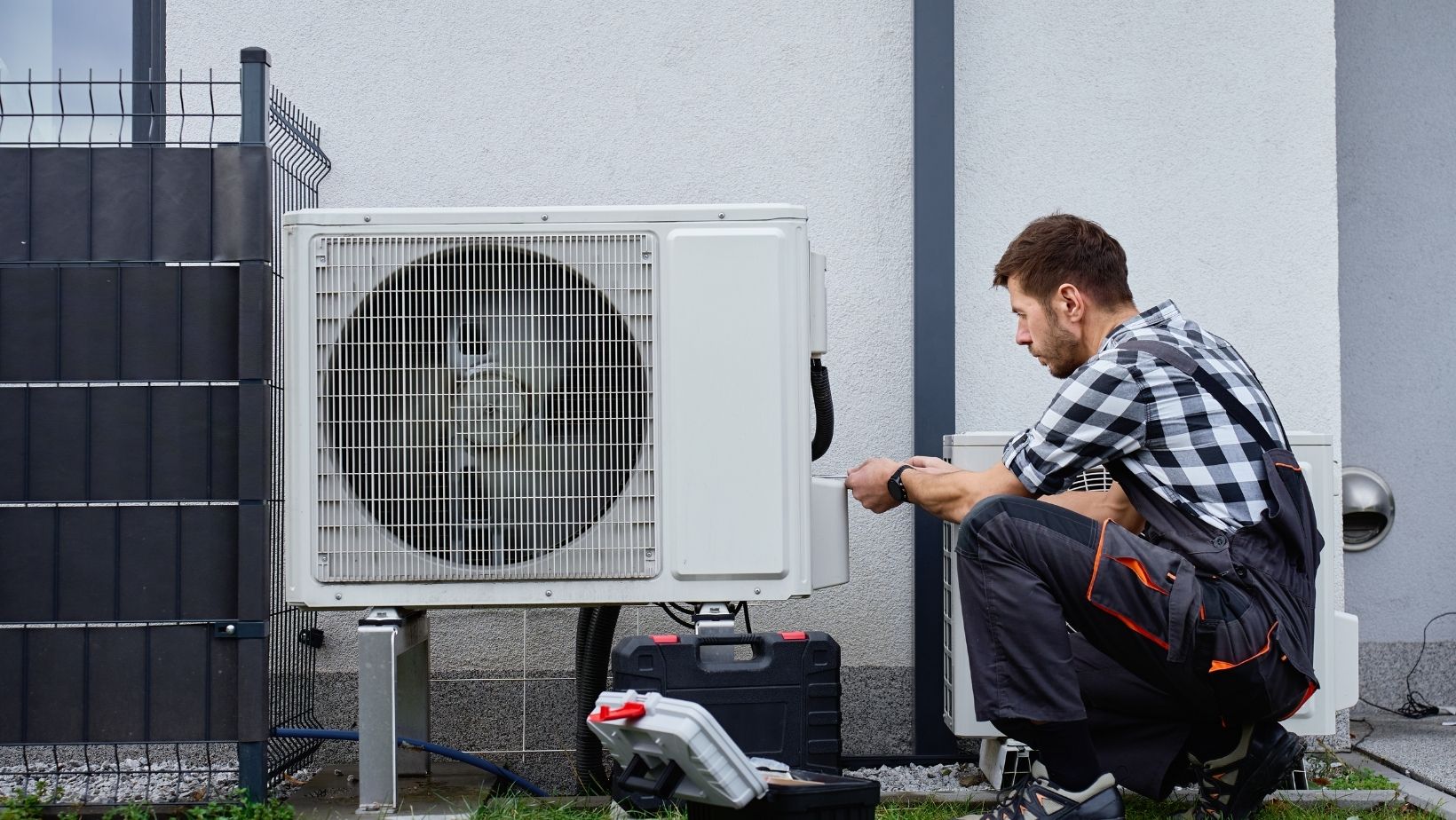
This is one reason contractors handling hvac repair and maintenance services in Las Vegas often pay close attention to insulation and attic conditions during diagnostics. In a hot climate, even moderate insulation deficiencies can magnify solar heat gain and extend cooling demand far beyond what occupants expect. The equipment may still be running, but it is operating against a building that makes the job harder all day.
- Insulation Explains Long System Runtime
One of the clearest reasons contractors assess insulation is to understand why a system runs longer than expected. When insulation is insufficient or degraded, indoor spaces gain heat more quickly in summer and lose warmth faster in winter. The thermostat keeps calling because the building cannot hold the target temperature with normal efficiency. That longer runtime is not always a sign that the unit is undersized or failing. Sometimes it is the predictable result of a structure that cannot slow heat transfer.
This matters for diagnosis because runtime affects how every other symptom is interpreted. A contractor who sees long cycles without checking insulation may assume duct leakage, low refrigerant, or equipment wear before considering the building shell. Those issues can exist, but insulation needs to be ruled in or out because it directly influences load, demand, and occupant comfort. It is part of the operating context, not a side note.
- Uneven Temperatures Often Start Above
Hot upstairs rooms and stubborn comfort complaints often lead owners to suspect zoning defects or airflow problems. Those can be part of the story, but insulation is frequently involved, especially in top-floor rooms, perimeter spaces, and areas beneath attics or roof decks. If insulation is thin, compressed, missing, or poorly installed, those rooms absorb more outdoor heat and lose conditioned air advantage faster than interior spaces.
Contractors evaluate insulation because room imbalances are not always resolved by adjusting registers or increasing system output. In fact, pushing more air into a poorly insulated room may only mask the issue temporarily while increasing strain elsewhere. A useful diagnosis has to answer why one part of the building behaves differently from another. Insulation often provides that answer, especially when comfort complaints are tied to sun exposure, ceiling height, or time of day.
- Attic Conditions Reveal Hidden Demand
Attics play an outsized role in many HVAC complaints because they are where thermal pressure builds. In the cooling season, attic temperatures can climb far above outdoor air temperature, turning the space into a source of constant heat transfer. If insulation coverage is inadequate or disturbed, that heat moves downward into occupied areas. The HVAC system then has to remove not only the normal indoor heat but also the additional load generated by the overheated building shell.
That is why contractors often inspect attic insulation during diagnostic work instead of limiting the visit to the mechanical unit. They are looking for missing sections, uneven depth, compression, moisture damage, and signs of air movement that reduce the effectiveness of the insulation. These findings can explain why equipment performance seems inconsistent even when mechanical readings are acceptable. The system may be doing its job, but the attic is quietly adding more work than the design anticipated.
- Poor Insulation Distorts Load Assumptions
HVAC diagnostics depend on understanding building load. Contractors need to know how much heating or cooling demand the structure creates under real conditions. When insulation is poor, that demand increases, and many performance symptoms begin to make more sense. A system may appear undersized on peak days, not because it was selected carelessly, but because the building is behaving differently than expected.
This is also why insulation evaluation matters before recommending bigger equipment. Replacing a struggling system with a larger one may seem logical, but that approach can miss the root problem. If the structure is leaking thermal control, a larger unit may run harder, cost more, and still fail to deliver balanced comfort. Contractors who inspect insulation are less likely to recommend expensive upgrades that do not address the system’s true source of stress.
Comfort Problems Need Full Context
HVAC systems are often judged by what occupants feel, not by what gauges alone reveal. That makes insulation evaluation essential. Comfort is created by both equipment performance and the building’s ability to retain conditioned air. Contractors who understand this do not treat insulation as outside the scope of diagnosis. They treat it as part of the same problem when rooms overheat, systems run too long, or energy use climbs without a clear mechanical explanation.
That broader view is what makes HVAC diagnosis more reliable. Insulation affects load, runtime, air delivery, room balance, and overall efficiency. Ignoring it can turn a solvable issue into a cycle of partial repairs and repeated frustration. By evaluating insulation alongside the equipment, contractors get closer to the real cause of the complaint. They can recommend solutions that improve comfort in a more lasting and cost-conscious way.